
XTimes

Editor’s Note
The Consumer Electronics Show (CES) in Las Vegas—one of tech’s first major trade shows every year—once showcased novelty gadgets and futuristic concepts. Over the past decade it has quietly become a bellwether for where technology intersects with everyday life. CES 2026 (Jan. 6-9) followed that arc, placing artificial intelligence at the center while also revealing innovations in hardware, robotics, mobility, and the human experience of technology. This week’s dispatch highlights both the standout announcements and the broader signals emerging from the increasingly popular event.
📌 Top Stories
Nvidia and the Rise of “Physical AI”

At CES 2026, Nvidia’s keynote session emphasized what executives and analysts are calling “physical AI”—the notion that AI will increasingly be trained and optimized in simulated environments before being deployed into real-world machines and robots. CEO Jensen Huang presented new foundations like the Rubin computing architecture and Alpamayo AI models, which target everything from autonomous car reasoning systems to robotics. These developments build on Nvidia’s dominant position in AI hardware and seek to expand its role into edge devices, autonomous systems, and simulated-to-real deployments. Source: Reuters
Why it matters: Nvidia’s framing of “physical AI” signals a shift from intelligence as something that lives primarily on screens to intelligence that operates in machines, environments, and embodied systems. As AI is increasingly trained in simulation and deployed into the physical world, questions of safety, trust, and alignment become inseparable from performance. This marks a transition from AI as software to AI as infrastructure, shaping how cities, factories, and daily life function.
AMD’s Vision: Yotta-scale AI, New Chips, and Broader Compute
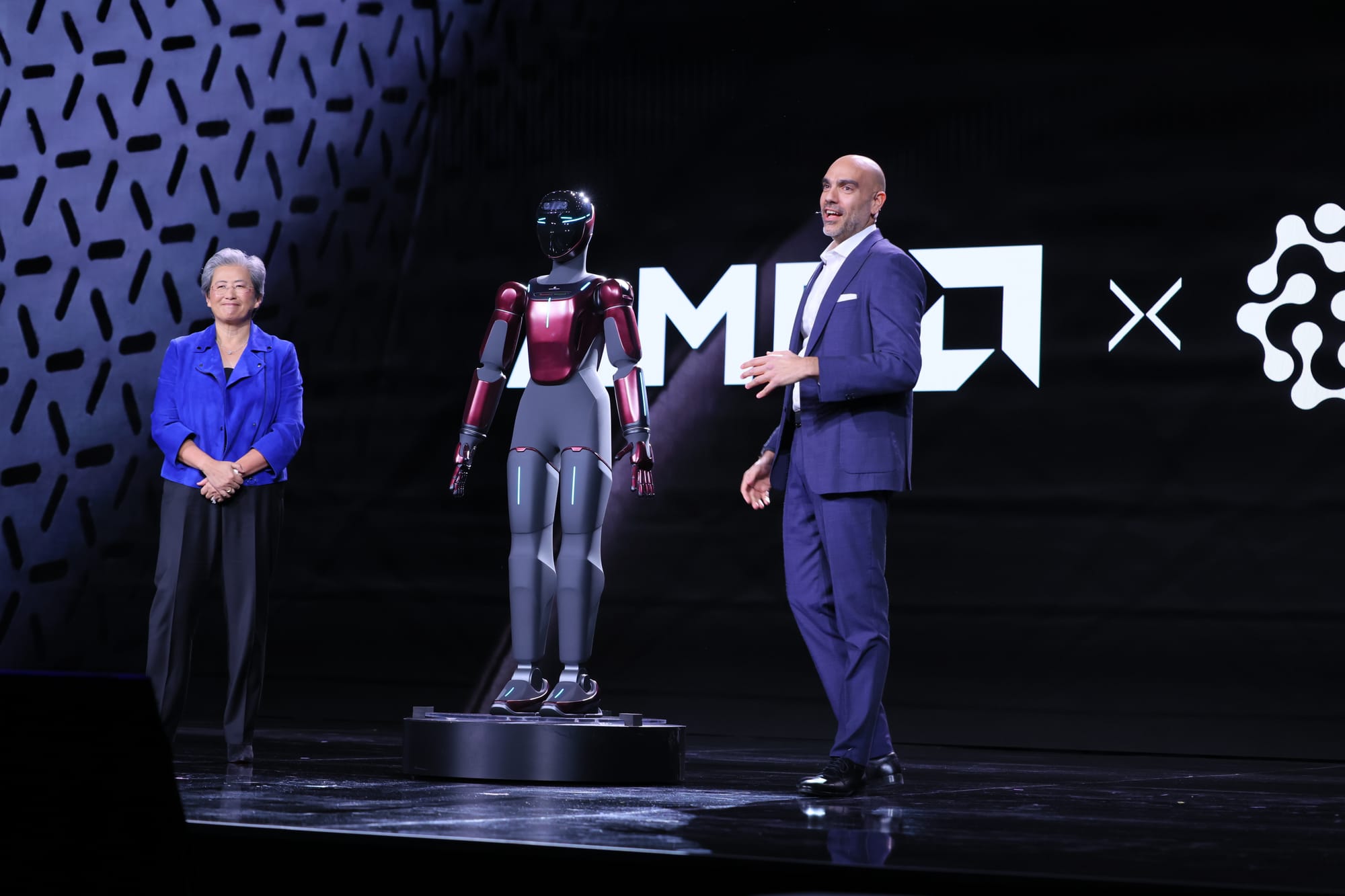
Advanced Micro Devices (AMD) used CES as a platform to showcase its latest compute roadmap aimed at “yotta-scale” AI computing. The company introduced the Helios rack-scale platform capable of delivering massive AI performance through custom GPUs and CPUs designed for data centers and large model training. Alongside this, AMD promoted its Ryzen AI 400 Series and related chips targeting both enterprise workloads and consumer AI PCs. Partnerships with major industry players, including early collaborations with AI labs and platforms, highlight AMD’s push to embed intelligence deeper into both cloud and edge systems. Sources: Engadget | Times of India
An edge system is a distributed computing architecture that processes data near its source (the "edge" of the network) instead of sending everything to a distant central cloud, using local servers, IoT devices, or gateways for real-time analysis to reduce latency, save bandwidth, and improve speed for applications like self-driving cars, smart factories, and real-time analytics.
Why it matters: AMD’s emphasis on yotta-scale computing reflects how demand for intelligence is outpacing traditional notions of scale. As models grow larger and workloads more complex, the competitive frontier is no longer just raw speed, but energy efficiency, integration, and adaptability across cloud and edge systems. These developments hint at a future where intelligence is not centralized in a few data centers, but distributed across devices, organizations, and environments.
Lenovo’s Qira: A Personal AI Super Assistant
Lenovo unveiled Qira, an ambitious AI voice assistant aimed at becoming a user’s “personal AI super agent” capable of learning user preferences and acting across devices—from phones to laptops to wearables. Unlike assistants that stay compartmentalized, Qira’s hybrid cloud and on-device architecture is designed for deep contextual understanding that evolves over time. This reflects a broader trend of AI moving beyond short command-and-response patterns toward adaptive, persistent digital companions. Source: Investor's Business Daily
Why it matters: Qira represents a broader move toward AI systems that persist over time, learning users rather than merely responding to commands. As personal AI agents become more adaptive and context-aware, they raise important questions about agency, memory, and trust—not just what these systems can do, but how deeply they become embedded in daily decision-making. The evolution from assistant to companion may prove to be one of the most consequential interface shifts of the decade.
Rollable Screens and Gaming Innovation
Among the hardware concepts turning heads was Lenovo’s Legion Pro Rollable, a gaming laptop with a horizontally expanding OLED screen that morphs from a standard laptop form factor into a 21–24 inch display. This rollable display design integrates cutting-edge materials and motorized mechanics, pointing toward a future where screens adapt to user context instead of forcing users to adapt to fixed form factors. Source: Lenova Story Hub | Windows Central
Why it matters: Innovations like rollable displays point to a future where technology conforms to human needs rather than forcing humans into rigid form factors. As screens become dynamic and responsive to context, they blur the boundary between device and environment. This adaptability suggests a broader design philosophy emerging at CES: technology that reshapes itself around how people live, work, and create.
🔹 Quick Picks
AI PCs and Local Intelligence Become Standard
A clear theme from CES was the rise of AI PCs—devices with dedicated hardware and software to run intelligent workloads locally rather than depending solely on cloud connectivity. Leading PC makers highlighted next-generation processors optimized for on-device AI performance, enabling live transcription, translation, intelligent power management, and richer user interaction. This shift reflects a maturation in how compute is distributed, giving end users autonomy from latency or constant connectivity constraints. Source: CES Tech
This trend has implications for privacy, performance, and how everyday users interact with intelligent systems—making AI feel more immediate and embedded.
Robotics Leverages Deep AI Partnerships
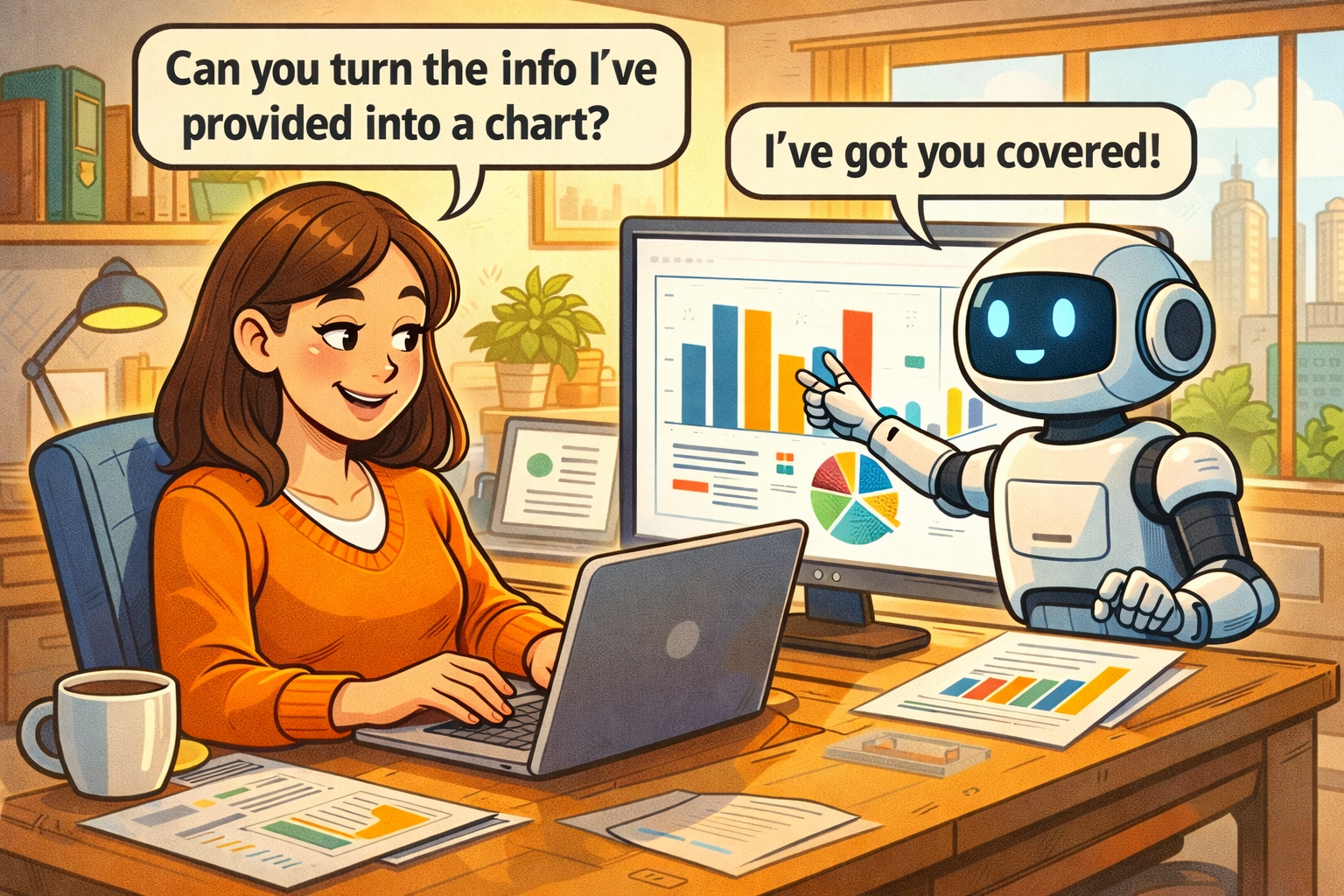
Robotics at CES went beyond cute demos toward practical, physically capable machines. Boston Dynamics demonstrated advances in humanoid robotics, while partnerships between heavy industry and AI developers showed how intelligent automation could spread into manufacturing and logistics. Meanwhile, consumer robotics—from stair-climbing vacuums to household assistants—continues to blur the line between experimental and everyday gadget. Source: Spectrum News
The expanding footprint of physical AI in robots illustrates how the boundary between software and embodied action is dissolving.
Lego Smart Play and Interactive Platforms
Lego’s partnership with Lucasfilm to launch Lego Smart Play—a connected brick platform with sensors and interactive responses—points toward playful but sophisticated computational creativity tools for younger audiences. By combining physical construction with digital responsiveness, these systems hint at how learning and play can fuse tactile and algorithmic intelligence in formative environments. Source: Tech Xplore
This fusion of physical objects and embedded computation suggests future education platforms where creativity, engineering, and code coexist seamlessly.
Home Automation Gets Personal and AI-Powered
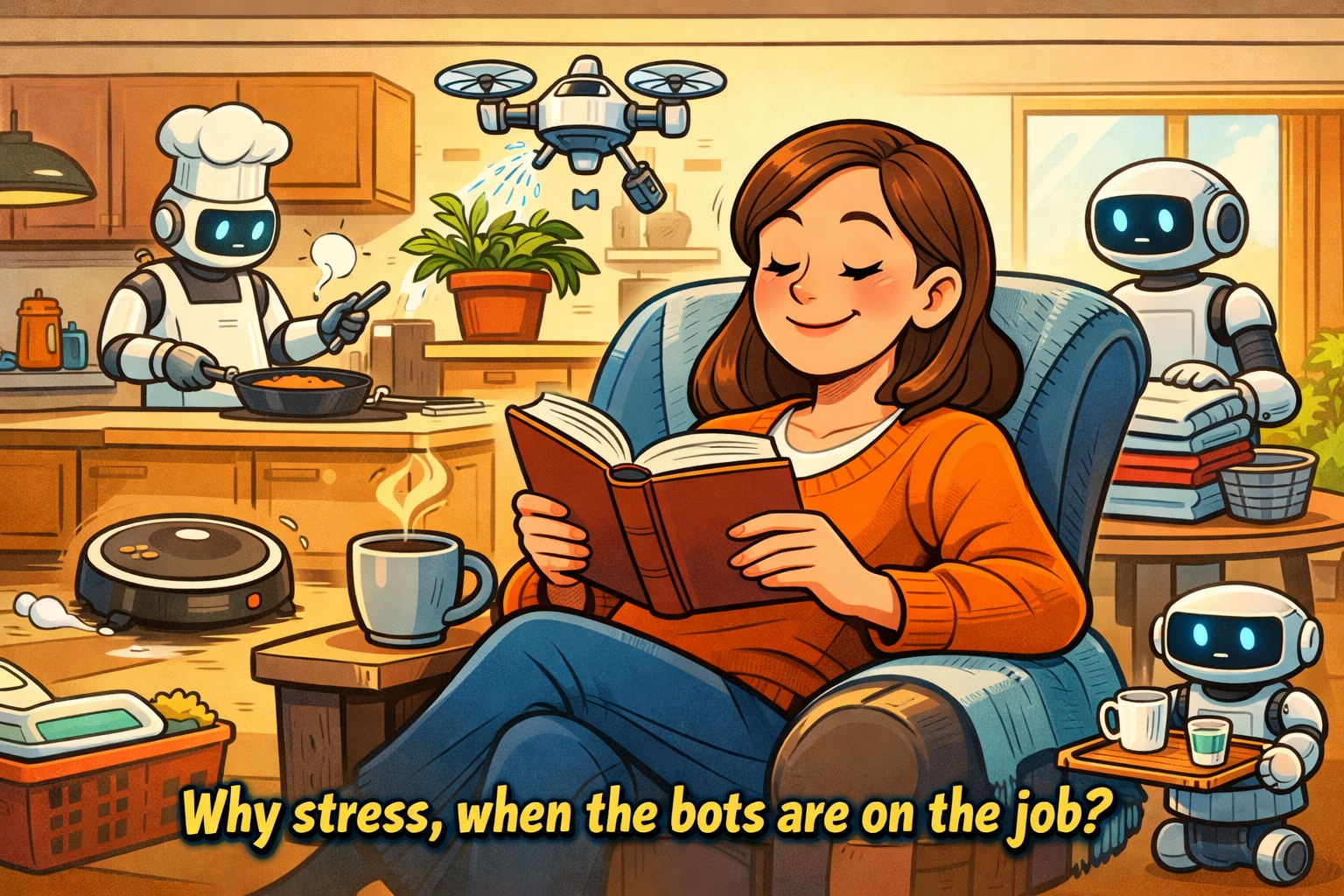
Beyond phones and PCs, CES showcased appliances and systems that are AI-first in their interfaces—from refrigerators that converse and suggest meals to ovens that recognize your food and manage cooking automatically. These products redefine expectations for what “smart home” means, not remote control via app, but ambient, conversational intelligence that assists proactively. Source: National Association of Realtors
The AI layer migrating into everyday objects foreshadows a future where the home itself is an attentive, context aware partner.
Semiconductor Momentum Reflects Industry Realignment
With major players like Intel, AMD, and Nvidia pushing new computing platforms and AI accelerators, CES 2026 confirmed that semiconductor and compute infrastructure remains the backbone of modern tech cycles. From chip wars over performance per watt to AI-centric platforms capable of supporting trillion-parameter models, the industry is rapidly evolving to meet demand not just for raw speed but for specialized intelligence workloads. Source: Counterpoint
This signals that investments in compute are not just incremental, they’re foundational to the next decade of innovation.

✔ CES 2026 drives home a persistent theme: AI is no longer a “feature”—it’s the substrate on which hardware, software, robots, and everyday experiences are built. Across displays, laptops, voice agents, and autonomous systems, intelligence is being woven into the very fabric of how we interact with machines, environments, and even play.
Singularity Sanctuary continues to explore what it means to live with this pervasive intelligence—to use it, to shape it, understand it, and ensure it amplifies human flourishing rather than merely automating it.
✔ Thanks to our early members for providing the opportunity to deliver and test our regular benefits, like Exponential Times, The Way of Tech, and Singularity Circle, as we continue to put a few finishing touches on the business side of things. Next up, we'll concentrate on membership growth, even as additional products come online, like our Technology and Ethics course, currently in the works.
The nine to ten episode series will begin by focusing on the meaning of ethics and its various approaches, while concentrating mostly on pressing tech driven ethical concerns like job displacement, students using AI for their assignments, tech and the housing crisis, keeping AI aligned with human values, and so forth. Stay tuned for regular updates.
Closing Reflection: When Technology Becomes Ambient
By Todd Eklof
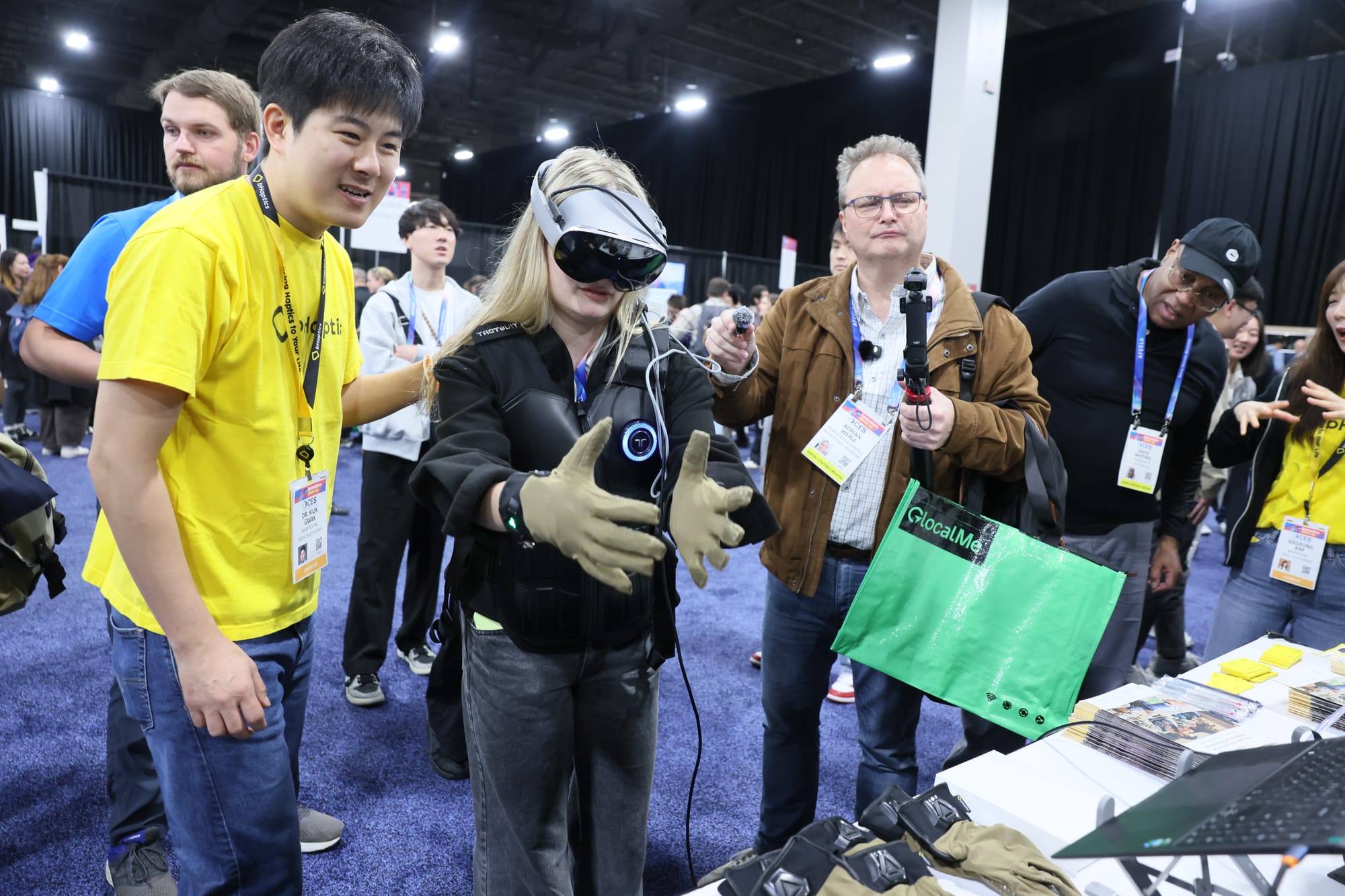
At CES this year, the most striking signal was not a single product or headline, but a quality of ubiquity. Intelligence is not seeping into technology; it has become its baseline.
Screens no longer require explicit commands; they anticipate needs. Robots are expected to work alongside us, not just entertain us. Chips are measured not merely in speed, but in cognitive throughput. Meaningful compute is moving onto the device in your hand, not just residing in distant data centers.
This shift from intelligence as a tool to intelligence as an environment marks the real emergence of the ambient age (the seamless embedding technology into our surroundings, making it feel invisible as interconnected devices anticipate and fulfill our needs without constant direct interaction, creating a natural, background experience through AI, sensors, and the Internet of things). Innovation feels less like invention and more like integration: dispersed, persistent, and relational. Intelligence is no longer something we “use” so much as something we inhabit.
This change subtly alters our relationship with technology. When intelligence becomes ambient, it shapes attention, decision-making, and expectation without always announcing itself. Convenience increases, friction disappears, and, with it, some of the moments that once invited reflection, choice, or pause.
This does not make the future ominous, but it does require much ethical consideration.
As intelligent systems increasingly inhabit the spaces where our lives happen—our homes, our work, our play—they ought to be designed to augment human agency rather than quietly replace it. The measure of progress is not whether technology can anticipate our needs, but whether it helps us remain authors of our intentions.
Which brings us to the more important consideration raised by CES this year; it's no longer simply about what technology can do, but how we choose to live with it, and how deliberately we use it to shape the world we inhabit and are building together.
[If you enjoyed this issue of XTimes, feel free to share it with others you think might be interested.]